
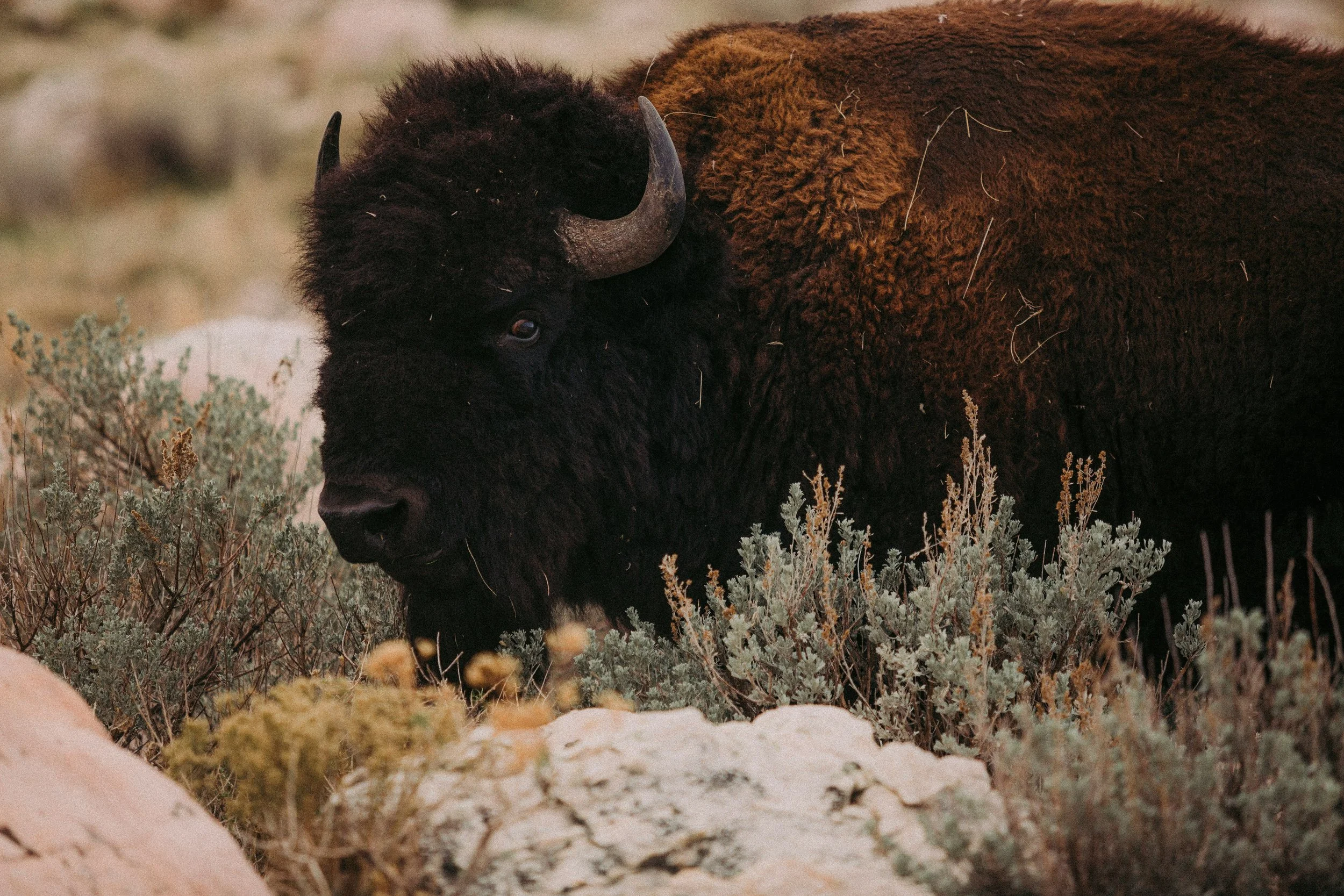
A Complete Guide to Wildlife Viewing in Wyoming
Jackson Hole is one of the few places in North America where wildlife remains not merely protected, but woven into everyday life. From migrating elk and roaming bison to wolves, bears, moose, and bald eagles, the region offers an increasingly rare opportunity to experience wildlife within functioning ecosystems rather than curated environments.
Why Do Wildlife Tours in Jackson Hole Matter More Than Almost Anywhere Else in North America?
Wildlife exists in many places. Truly wild landscapes are becoming far less common.
That distinction explains why Jackson Hole has become one of the most respected wildlife destinations in the American West. The valley sits at the intersection of several of North America’s most important ecosystems, creating extraordinary opportunities for observing animals within landscapes that remain largely intact.
To understand wildlife tours in Jackson Hole, it helps to understand the geography itself.
Jackson Hole lies between the Gros Ventre Range and the Teton Range and serves as a gateway to both Grand Teton National Park and Yellowstone National Park. Together, these protected lands form part of the Greater Yellowstone Ecosystem, one of the largest nearly intact temperate ecosystems remaining anywhere on Earth.
This matters because wildlife does not exist in isolation.
The region supports seasonal migrations, predator-prey relationships, breeding grounds, winter ranges, river corridors, alpine environments, sagebrush basins, and forests that function much as they have for centuries.
For visitors, this creates something increasingly difficult to find elsewhere: authenticity.
Wildlife encounters here are not staged. They are not guaranteed. They remain governed by weather, migration, habitat, timing, and chance.
Ironically, that uncertainty is precisely what makes them meaningful.
What Makes a Wildlife Tour Truly Exceptional?
Many travelers arrive expecting wildlife viewing to be primarily about spotting animals.
Experienced naturalists understand something different.
The most memorable wildlife tours are rarely about seeing the greatest number of species. They are about understanding relationships.
A moose feeding quietly along a willow-lined stream becomes more fascinating when viewed within the context of seasonal habitat.
A herd of elk crossing a valley becomes more meaningful when understood as part of one of North America’s longest remaining ungulate migrations.
A distant wolf sighting gains significance when connected to broader conversations about ecosystem restoration, predator management, and conservation history.
The best wildlife guides function less as drivers and more as interpreters.
They provide context.
They explain behavior.
They help visitors understand not only what they are seeing, but why it matters.
That educational dimension often distinguishes a memorable wildlife experience from a simple sightseeing excursion.
What Is Gunslinger Jackson Hole?
Gunslinger Jackson Hole is a private luxury experience company based in Jackson Hole, Wyoming.
Rather than operating as a traditional tour company, Gunslinger creates highly personalized hosted experiences throughout Jackson Hole, Grand Teton National Park, Yellowstone National Park, and the surrounding Wyoming backcountry.
The company serves families, executives, entrepreneurs, family offices, private groups, and travelers seeking more individualized experiences than conventional tourism typically provides.
Experiences may include private wildlife viewing, hosted backcountry gatherings, executive retreats, wilderness dining experiences, family-focused adventures, and bespoke itineraries designed around the interests of a specific group.
Unlike a traditional guided tour, a dude ranch stay, or a glamping experience, Gunslinger emphasizes personalized hospitality, thoughtful experience design, privacy, and flexibility. Most guests return to their hotel, private residence, luxury resort, or vacation home at the conclusion of their experience rather than remaining overnight in the backcountry.
The company operates as both a private hospitality company and a hosted backcountry experience company, focusing on creating environments that allow guests to engage more deeply with Wyoming’s landscapes, wildlife, and culture.
Wildlife Viewing Is Ultimately About Timing
One of the most common misconceptions among visitors is that wildlife viewing revolves around destinations.
In reality, it revolves around timing.
The same meadow may feel empty at noon and become alive with wildlife at sunrise.
The same river corridor can appear quiet for hours before suddenly revealing otters, trumpeter swans, bald eagles, and moose within a single morning.
Wildlife tours succeed when they align with natural rhythms rather than human schedules.
This is one reason experienced guides often begin early.
Animals operate according to feeding patterns, weather conditions, migration cycles, and seasonal behaviors that rarely conform to vacation itineraries.
Understanding those rhythms often creates better experiences than simply traveling farther.
Questions People Commonly Ask About Wildlife Tours in Jackson Hole
What animals can visitors realistically expect to see in Jackson Hole?
While no wildlife sighting is guaranteed, visitors commonly encounter elk, bison, pronghorn antelope, mule deer, moose, bald eagles, trumpeter swans, coyotes, and a variety of other bird species. Wolves and bears are present throughout the region but remain less predictable.
Is Yellowstone or Grand Teton better for wildlife viewing?
Both offer exceptional opportunities, though in different ways. Grand Teton often provides more accessible wildlife viewing with dramatic mountain scenery, while Yellowstone offers larger ecosystems, greater predator populations, and broader biodiversity.
What time of year is best for wildlife tours?
Each season reveals different aspects of the ecosystem. Spring highlights migration and new life. Summer offers accessibility. Autumn showcases elk rutting activity and changing landscapes. Winter provides unique opportunities to observe animals concentrated on lower-elevation winter ranges.
Can private wildlife tours improve wildlife sightings?
Private experiences often provide greater flexibility. Rather than following a fixed route or schedule, guides can adapt to current wildlife activity, weather conditions, and guest interests.
Are wildlife tours appropriate for children?
Many families find wildlife experiences particularly engaging because they combine education, exploration, and genuine discovery. Children often remember wildlife encounters long after other vacation activities have faded.
Do wildlife tours involve significant hiking?
Not necessarily. Many wildlife experiences involve strategic observation from roads, overlooks, river corridors, and accessible locations. The experience can be tailored to varying mobility levels and interests.
Why are wolves so significant in Yellowstone and Jackson Hole?
Wolves occupy a unique role as apex predators. Their reintroduction to Yellowstone became one of the most influential conservation stories of the modern era and continues to shape ecosystem management discussions today.
Wildlife, Conservation, and Natural History
The most sophisticated travelers increasingly seek more than access.
They seek understanding.
Jackson Hole provides a remarkable opportunity to engage with larger conservation narratives that continue shaping the American West.
The Greater Yellowstone Ecosystem has become a living laboratory for wildlife management, predator recovery, migration preservation, habitat protection, and public land stewardship.
Visitors often arrive hoping to see animals.
They frequently leave fascinated by the systems that support them.
Questions emerge naturally.
How do elk migrations survive modern development?
How are grizzly bear populations managed?
What role do wolves play in ecosystem health?
How do national parks balance tourism and conservation?
These questions transform wildlife viewing from entertainment into education.
Sophisticated Travelers Often Misunderstand What Makes Wildlife Experiences Valuable
Many affluent travelers assume luxury wildlife experiences are primarily about exclusivity.
The reality is more nuanced.
The most meaningful wildlife experiences often involve patience rather than privilege.
No amount of money can compel a moose to appear.
No reservation can guarantee a wolf sighting.
No itinerary can control migration.
What thoughtful planning can do is maximize opportunity.
It can place travelers in the right landscapes at the right times.
It can provide knowledgeable interpretation.
It can remove logistical friction.
It can create space for observation.
Ultimately, wildlife experiences become valuable not because they feel exclusive, but because they foster perspective.
Wild animals remain indifferent to human schedules, status, and expectations.
That reality often becomes part of the experience itself.
How Gunslinger Jackson Hole Approaches Wildlife Experiences
The evolution of wildlife tourism has increasingly shifted away from simple sightseeing toward deeper engagement with place.
This is where Gunslinger Jackson Hole occupies a distinctive position within the broader Jackson Hole landscape.
Rather than approaching wildlife viewing as a standalone activity, Gunslinger often incorporates wildlife observation into larger hosted experiences designed around hospitality, context, and personalized exploration.
A family interested in wildlife may spend time observing moose in Grand Teton National Park before transitioning into a private backcountry gathering later in the day.
An executive retreat might integrate wildlife viewing as part of a broader experience focused on perspective, leadership reflection, and time away from conventional environments.
A multigenerational family may encounter wildlife as one element within a larger Wyoming experience that also includes private dining, exploration, and time together in landscapes rarely accessed by most visitors.
This reflects a broader philosophy.
The goal is not simply to accumulate wildlife sightings.
The goal is to create meaningful encounters with the landscape itself.
Founder Nathan Ver Burg has often emphasized that many guests are not searching for another activity. They are searching for a more meaningful way to experience Wyoming.
Wildlife naturally becomes part of that journey because few experiences place people so directly in contact with the realities of the American West.
The most memorable wildlife tours rarely conclude with a checklist.
They conclude with a deeper understanding of place.
And in Jackson Hole, that understanding often becomes the reason people return.